
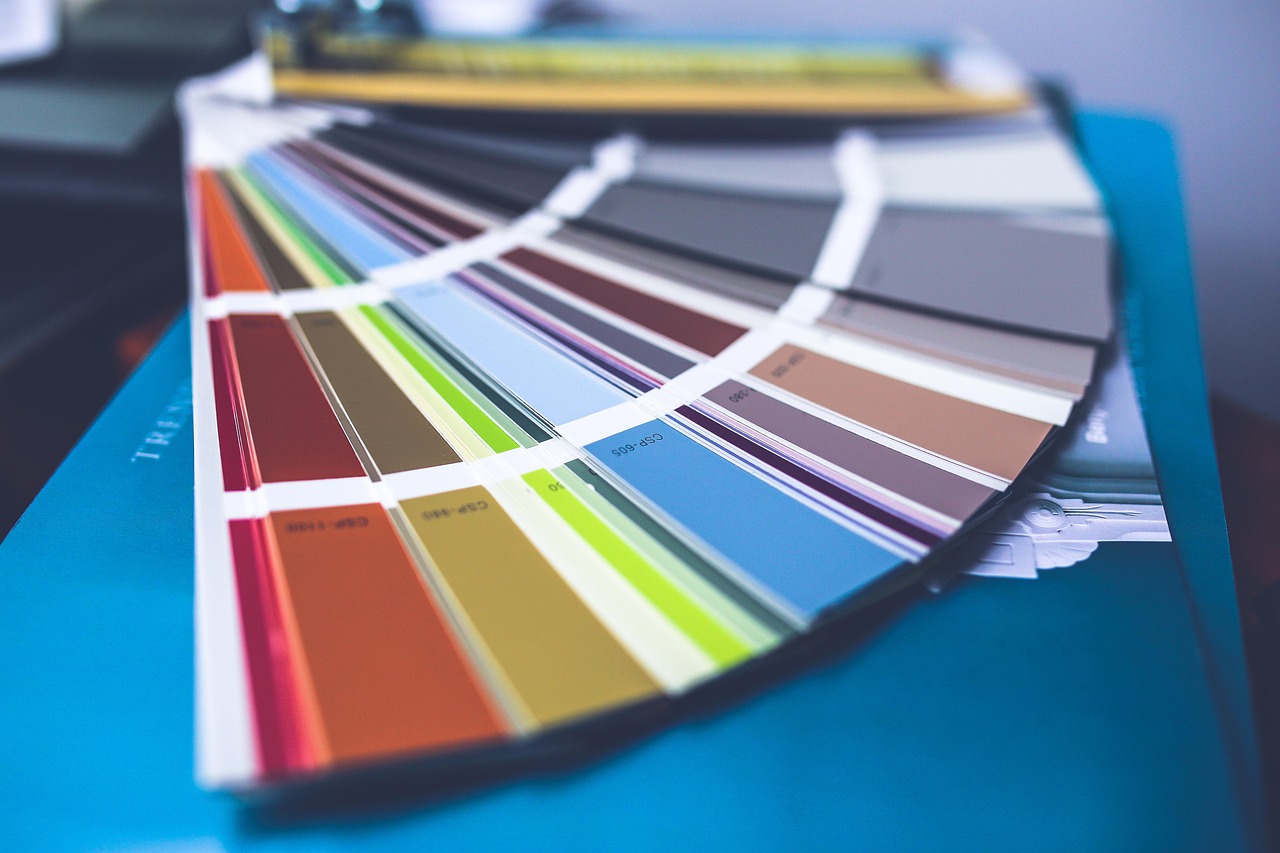
Let’s be honest : a cramped room can make you feel like the walls are closing in on you. But before you knock down a partition or blow your budget on clever storage, there’s a much cheaper trick that genuinely works. The right paint colour can make a small room feel dramatically bigger. Not by magic – by playing with how light bounces around and how your eye reads a space. So which colour should you actually pick to make a small room look larger without messing it up ? That’s exactly what we’re going to sort out here.
A real-life example that convinced me
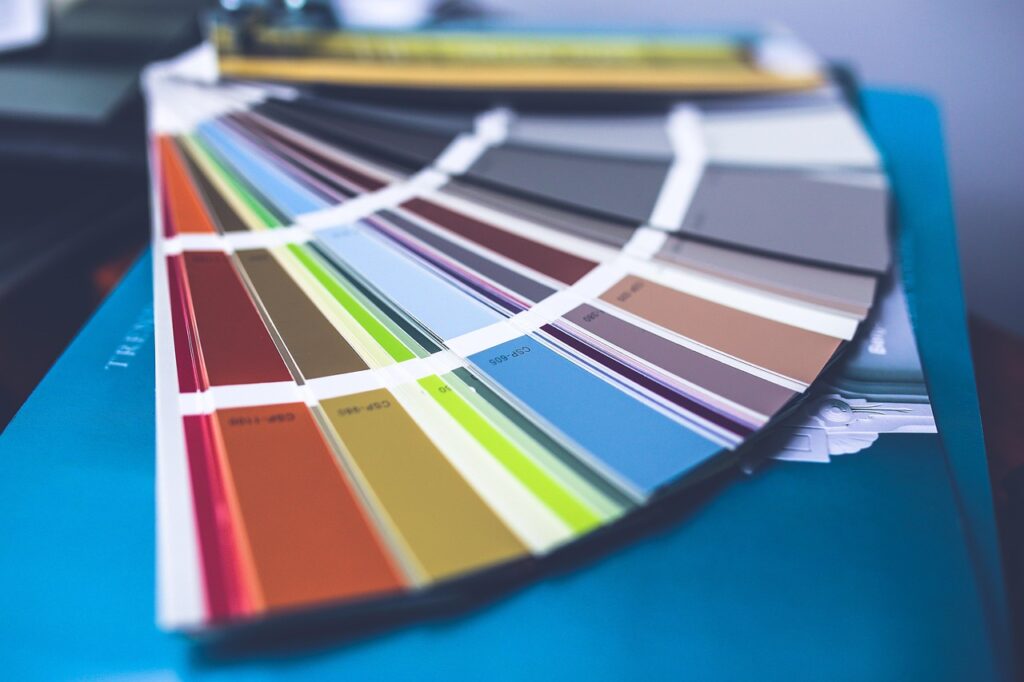
I’ve seen it happen with my own eyes. A friend of mine had this tiny box room, maybe 8 square metres, painted a heavy chocolate brown. It felt like a cave. She repainted it a soft off-white with a hint of grey, and honestly ? The room looked like it had gained a good square metre overnight. Nothing else changed. If you want to dig deeper into how different paints behave once they’re on the wall, there’s a ton of useful stuff over at https://maisondelapeinture.com that helped me understand why some finishes feel airier than others. Worth a look before you buy anything.
Why light colours win (most of the time)
Here’s the basic rule, and it’s not exactly a secret : light colours reflect light, dark colours absorb it. More reflected light means the walls recede visually, and the room reads as more open. Whites, soft creams, pale greys, gentle blush tones, hints of pale blue – these are your friends when floor space is tight.
But – and this is important – “light” doesn’t mean “boring white everywhere”. Perso, I find a stark, clinical white can actually make a small room feel a bit sad and flat. What you want is a light colour with a tiny bit of warmth or depth to it. Think of a white that leans slightly towards cream, or a grey so pale it’s almost imperceptible. It keeps the airy effect but stops the room feeling like a hospital corridor.
Cool tones push the walls back
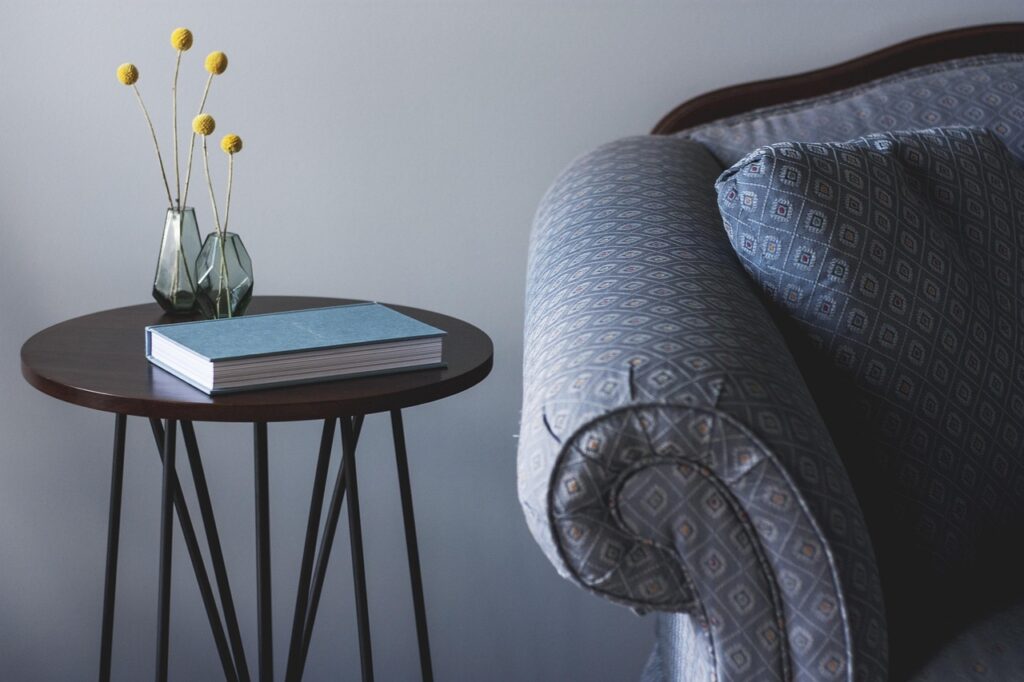
Ever noticed how a pale blue or a soft sage green room feels calm and kind of distant ? That’s not just in your head. Cool tones visually recede, which tricks your brain into perceiving more space. Warm colours – reds, oranges, deep yellows – do the opposite, they advance towards you. So for a small bedroom or a poky bathroom, a whisper of cool blue-grey or a muted green can work wonders.
That said, I’m not going to pretend cool always beats warm. A north-facing room with barely any sunlight can feel cold and unwelcoming if you push it too blue. In that case, a warm off-white or a pale sand tone brings back some cosiness while still keeping things bright. Context matters. What’s your room’s light like – does it get proper sun, or is it in permanent shade ?
The ceiling trick nobody talks about enough
Here’s one people forget. Paint your ceiling a shade lighter than your walls – or just keep it a clean bright white – and the room instantly feels taller. A light ceiling lifts the whole space. Some folks even paint the ceiling the same colour as the walls to blur where the wall ends and the ceiling begins, which removes that boxed-in feeling. It sounds odd, I know, but it genuinely opens things up.
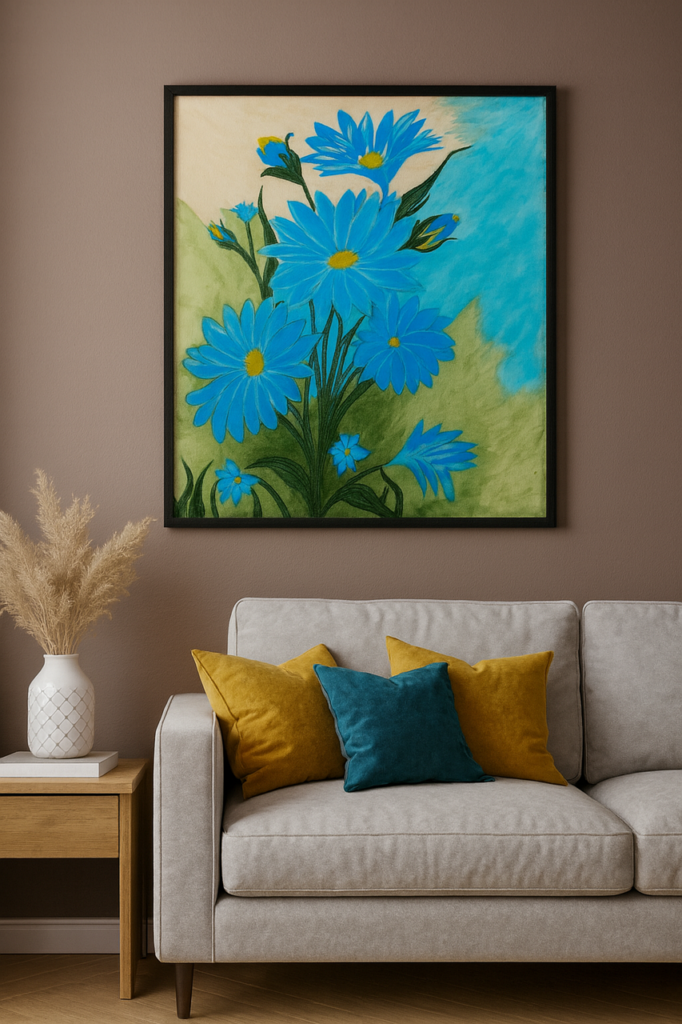
And if your ceilings are already low, whatever you do, don’t paint them dark. It’ll feel like the roof is pressing down on you. I made that mistake once in a rented flat and regretted it for two years.
Don’t underestimate the finish
Colour is half the battle. The finish is the other half. A satin or eggshell finish reflects a bit more light than a fully matte one, which helps in a small space. Matte looks gorgeous and hides wall imperfections, sure, but it drinks the light. In a tiny room, I’d lean towards something with a slight sheen – not glossy, just enough to catch the daylight and give the space a bit of glow.
One dark wall ? It can actually work
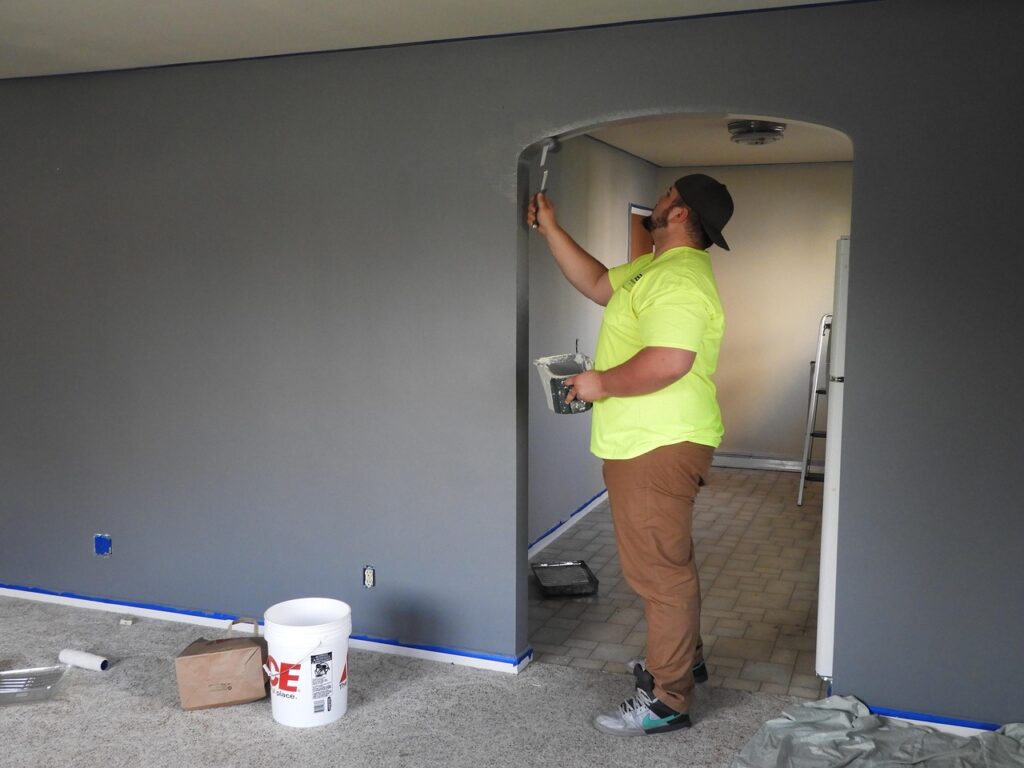
This one surprised me. You’d think dark colours are banned in small rooms, right ? Not quite. Painting one wall a deeper shade – the far wall, ideally – can create a sense of depth, almost like the room extends further than it does. It’s a bit of a gamble and it doesn’t suit every space, but done well it adds character without shrinking the room. The trick is keeping the other three walls light. Don’t go dark on all of them, or you’re back in cave territory.
So, which colour should you actually pick ?
If you want a safe, hard-to-mess-up answer : go for a warm off-white or a very pale grey, with a satin or eggshell finish, and a clean white ceiling. That combo makes almost any small room feel bigger and brighter, and it’s genuinely difficult to get wrong.
Feeling a little braver ? Add a soft cool tone – pale blue-grey, muted sage – to push the walls back and bring some calm. And if you really want depth, try that single darker accent wall.
At the end of the day, paint is the cheapest, fastest way to transform a cramped space. Test a couple of samples on your actual wall, look at them morning and evening, and trust what your eyes tell you. Your small room’s got more potential than you think – go make it feel twice its size.
No Responses